
"Dominican AA"
200 article(s) found
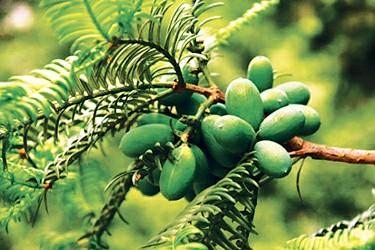
Coffee cultivation: what are the differences between different tree-shaped coffee beans in different producing areas?
There are four kinds of coffee trees in the world, of which only two are of real commercial value and are planted in large quantities. One is the Elaraby species (ARABICA), the other is the Robasta species (KOBUSTA). Different varieties of coffee beans have different flavors, but even the same varieties of coffee trees have their own unique flavors due to the influence of different soils and climates. Allah

Introduction of major coffee producing areas in the world Central and South American coffee beans, African coffee beans, Asian coffee beans
[introduction] Coffee comes from coffee beans, which are harvested and processed from the fruit of trees. Coffee trees grow at the center of the equator, between latitudes of 25 degrees south and north, and are called coffee belts in the homes of tropical or subtropical countries. at present, raw coffee comes from coffee beans, which are harvested and processed from the fruits of the trees. Coffee trees grow at the center of the equator.
Introduction of major coffee producing areas in the world
Coffee comes from coffee beans, which are harvested and processed from the fruit of trees. Coffee trees grow at the center of the equator, between latitudes of 25 degrees south and north, and are called the homes of tropical or subtropical countries called coffee belts. At present, there are about 60 coffee-producing countries. Coffee is produced in South America, Central America, the West Indies, Asia, Africa, Arabia, the South Pacific and

Introduction of major coffee producing areas in the world
Coffee comes from coffee beans, which are harvested and processed from the fruit of trees. Coffee trees grow at the center of the equator, between latitudes of 25 degrees south and north, and are called the homes of tropical or subtropical countries called coffee belts. At present, there are about 60 coffee-producing countries. Coffee is produced in South America, Central America, the West Indies, Asia, Africa, Arabia, the South Pacific and

What are the characteristics of boutique coffee beans? Varieties of boutique coffee and Daquan of producing areas
Professional coffee knowledge exchange more coffee bean information please pay attention to the coffee workshop (Wechat official account cafe_style) the most important thing is to understand the origin of coffee, as the saying goes, the place of drinking coffee, the year of drinking red wine shows the influence of origin on the value of coffee. The coffee on the market is mainly Arabica (Coffee Arab).

Dominica Coffee Variety characteristics and Flavor description introduction to Fine Coffee beans in Manor
L'Or é al arrived in Santo Domingo in 1801. He abolished slavery on behalf of the French government. In 1802, Napoleon sent troops to conquer the whole island and ruled for several months. In October 1802, mixed-race and black people revolted against French rule and repelled the French army in 1803. On January 1, 1804, the rebels declared Santo Domingo independent and established the Republic of Haiti. But be defeated.
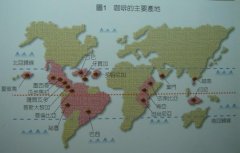
Coffee Encyclopedia Coffee beans production maps of different countries in the world differences in taste characteristics of coffee beans
Classification of Arabica species by original species: Arabica country of origin: Ethiopia output: more than 70% of the world's total output: 5002000 meters above sea level: bean shape: slender, zigzag taste: moderate taste, good flavor, weak resistance to diseases and insect pests caffeine: low caffeine content

The main coffee producing areas in the world introduce the types of fine coffee beans.
Coffee comes from coffee beans, which are harvested and processed from the fruit of trees. Coffee trees grow at the center of the equator, between latitudes of 25 degrees south and north, and are called the homes of tropical or subtropical countries called coffee belts. At present, there are about 60 coffee-producing countries. Coffee is produced in South America, Central America, the West Indies, Asia, Africa, Arabia, the South Pacific and
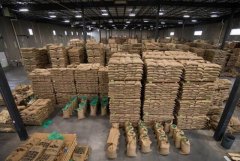
Standard for export of raw coffee beans Indonesia Panama Papua Rwanda Tanzania Uganda
Professional barista exchanges please follow the coffee workshop (Wechat official account cafe_style) generally speaking, Central America is 69kg, Colombia and Bolivia 70kg, the rest of the world is 60kg. Industry standards are a wonderful thing. In fact, if you look at the uneven standards of various countries, you can know that the coffee industry has not yet developed into a mature enough in the process of global trade.
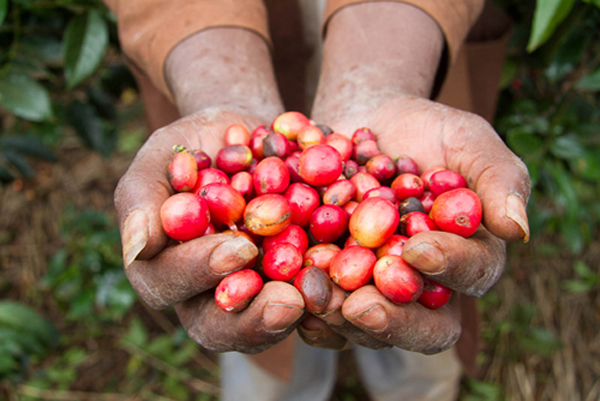
The most detailed introduction to coffee beans in the world. Coffee beginners must see the knowledge points
Coffee comes from coffee beans, which in turn are harvested and processed from the fruits of trees. Coffee trees grow at the equator as the center, between 25 degrees north and south latitude, known as the coffee belt tropical or subtropical countries home, coffee production countries currently have about more than 60 countries, coffee production in South America, Central America, West Indies, Asia, Africa, Arabia, South Pacific and
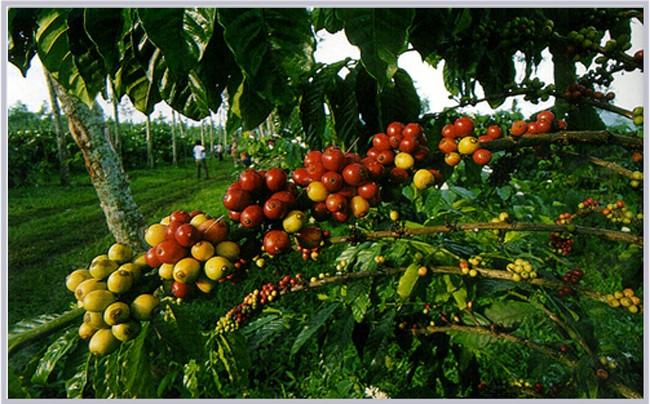
Coffee Estate Knowledge Points: Collection and classification of world boutique coffee estates in detail
Coffee comes from coffee beans, which are harvested and processed from the fruits of trees. Coffee trees grow at the equator as the center, between 25 degrees north and south latitude, known as the coffee belt in tropical or subtropical countries home, coffee beans are currently. Coffee comes from coffee beans, which in turn are harvested and processed from the fruits of trees. Coffee trees grow at the equator.
Coffee raw beans wholesale and export, Central America is 69kg, Colombia and Bolivia 70kg?
Generally speaking, Central America is 69kg, Colombia and Bolivia 70kg, and the rest of the world is 60kg. Industry standards are a wonderful thing. In fact, by looking at the uneven standards of various countries, we can see that the coffee industry has not yet reached a sufficiently mature stage in the process of global trade. Not only does there not have a global standard for the weight of gunny bags, but even the consumer side is the most
The main producing area of coffee knowledge coffee
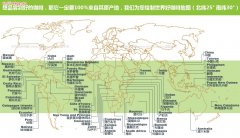
Coffee production zones (commonly known as coffee belts) range from 25 degrees north latitude to 30 degrees south latitude, covering many countries in Central, West Africa, the Middle East and South Asia, the Pacific, Latin America and the Caribbean. The reason why coffee cultivation is concentrated in this area is mainly due to the limitation of temperature. Because coffee trees are vulnerable to frost, neither north nor south latitude is suitable, especially in the tropics.
How much is the export standard of coffee and raw bean traders, Ethiopia, Brazil, Honduras, Kenya and Indonesia?
Generally speaking, Central America is 69kg, Colombia and Bolivia 70kg, and the rest of the world is 60kg. Industry standards are a wonderful thing. In fact, by looking at the uneven standards of various countries, we can see that the coffee industry has not yet reached a sufficiently mature stage in the process of global trade. Not only does there not have a global standard for the weight of gunny bags, but even the consumer side is the most

Classification and characteristics of coffee how many kinds of coffee and what brand of coffee tastes good
Professional coffee knowledge exchange more coffee bean information Please pay attention to the coffee workshop (Wechat official account cafe_style) currently there are so many coffee beans around the world that there is no correct number. At present, I know that there are 25 well-known countries that produce coffee beans, each country has a variety of coffee beans with different names, the following is what I found on the Internet, I hope to help you. Pull
Detailed description of the flavor and taste of the world's top boutique coffee bean varieties
Latin American coffee beans (Central and South America) Brazil: Santos, Bahia, Cerrado, Mogiana Mexico: Coatepec, Huatusco, Orizaba, Maragogype, Tapanchula, Huixtla, Plumako

What are the common types and classification of coffee beans? What are the varieties and characteristics of coffee? Common coffee
Professional coffee knowledge exchange more coffee bean information please pay attention to the coffee workshop (Wechat official account cafe_style) common types and classification of coffee beans? What are the varieties and characteristics of coffee? What are the common types and origin of coffee beans? There are only two kinds of plants that are of real commercial value and are planted in large quantities. One is Elaraby plus seed (ARABICA), the other is

The difference between Daquan single Coffee and Italian Coffee in Global Coffee producing area
Communication of professional baristas Please pay attention to the coffee workshop (Wechat official account cafe_style) individual coffee, which is made from a single bean of the country of origin and is usually consumed without milk or sugar. Have strong characteristics, special taste: or fresh and soft, or mellow smooth; the cost is higher, so the price is more expensive. For example, the famous Blue Mountain Coffee and Brazilian Coffee

Introduction of coffee bean varieties the origin and variety of coffee beans introduce the types of coffee beans
Brazil's coffee fruit (Arabica) on the market for coffee mainly for Arabica (Coffee Arabica) and Robusta (Coffee Robusta) and other two original species. Each of them can be subdivided into more variety branches. Most of the coffee beans in circulation on the market are distinguished by their origin. The following is a list of some of the major producing countries and their famous coffee (reference: coffee producing section map):
What are the varieties of coffee grown in Panama, the origin and types of coffee and coffee beans
Brazil's coffee fruit (Arabica) on the market for coffee mainly for Arabica (Coffee Arabica) and Robusta (Coffee Robusta) and other two original species. Each of them can be subdivided into more variety branches. Most of the coffee beans in circulation on the market are distinguished by their origin. The following is a list of some of the major producing countries and their famous coffee (reference: coffee producing section map):